








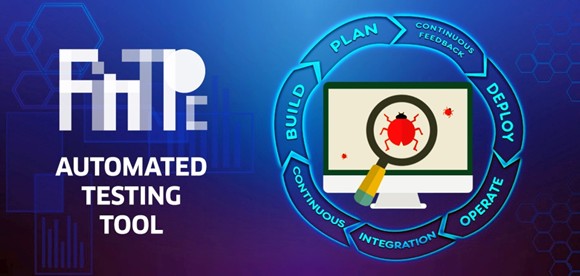
 The automated testing handles functional tests, integration tests and unit tests. All these are predefined, any change to the FinTPc application has impact on the tool’s test repository and generates updates.
Functional tests are built based on the specification document that identifies test cases that make sense being automated, following a black box testing method. These are customizable and follow specific already implemented business flows. The tool allows defining input data (or test data generation) and set expected results based on a predefined list in its repository. It all ends with a validation phase that analyzes the output data of the test and the configured expected result summarized in a log (that may also include technical errors occurred).
Integration tests represent a logical chaining of more functional tests that validate a whole business flow. This validation ends at first error encountered, continuing the test would not assure any consistency.
Unit tests are predefined for each logical component of FinTPc, are usually run at the build stage and are addressed to the developers of the application.
Easy to install and easy to use, the automated testing tool can provide a measure of the current quality of the software, monitors and controls the testing execution, reports and records testing results and archives their history along with the context in which the testing was run.
Different testing modules can be configured and used separately in order to best help in the diagnosis activity and in determining the root cause of a problem.
In Romanian:
Pentru informatii detaliate despre celelalte programe cofinantate de Uniunea Europeana, va invitam sa vizitati www.fonduri-ue.ro. Continutul acestui material nu reprezinta in mod obligatoriu pozitia oficiala a Uniunii Europene sau a Guvernului Romaniei. Proiect finantat in cadrul POC, Axa prioritara 2, Acțiunea 2.1, Prioritate de investitii 2b. Cod MySMIS: 115724, Nr. Contract Finantare: 101/16.08.2017.